
Sustainable Packaging in E-commerce Industry
Posted by Circulate Team on Feb 16, 2022
Updated at Sep 27, 2024
Have you ever been frustrated when you receive an online purchase and find it excessively packaged? The abundance of padded bags, fillers, and bubble wraps can make you wonder if it's all necessary. Unfortunately, over-packaging is a prevalent issue in the e-commerce industry. Given that products need to be shipped to their destination, packaging is often unavoidable. However, the primary objective of packaging is to ensure that the product arrives undamaged.
Packaging in e-commerce industry
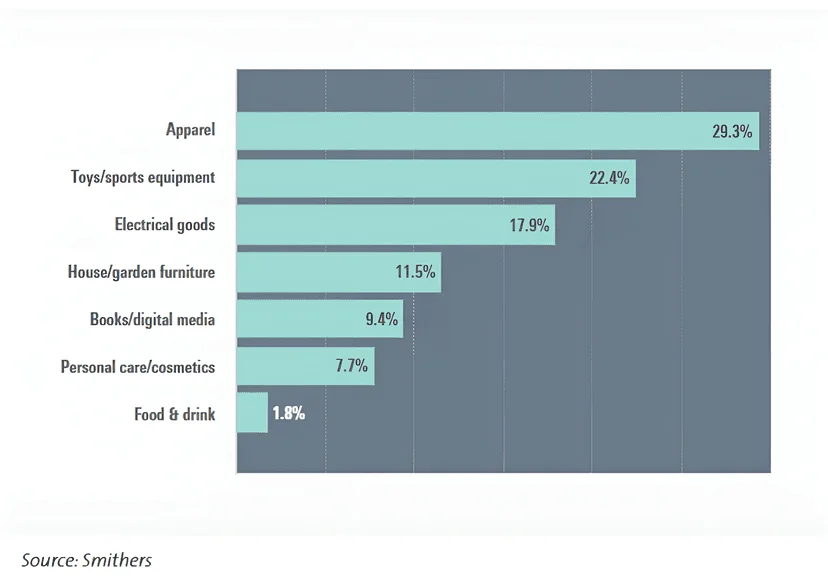
The main packaging materials used within the e-commerce market are flexible packaging, corrugated board, protective mailers, and protective packaging. This is because these materials are quite ideal for shipping many goods in the industry.
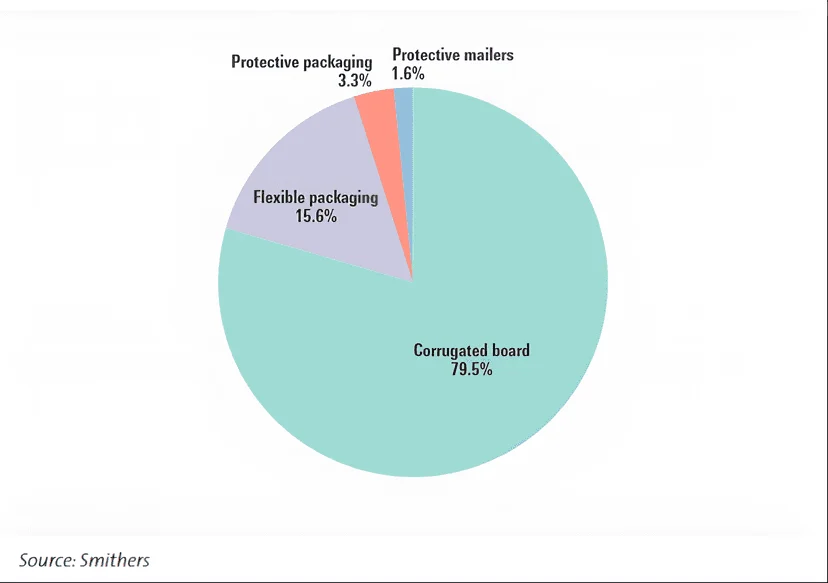
Looking into the main sectors that use packaging within the e-commerce industry, these are: Apparel, Toy/sports equipment, electrical goods, House/garden furniture, Books/digital media, followed by cosmetics and food. In the coming years though, it is expected that the cosmetics sector would have the most use of the packaging as seen in previous years' trends.
Sustainability in e-commerce packaging
As environmental awareness grows, e-commerce companies are striving to become more eco-friendly. When packaging is unavoidable, they're focusing on sustainability, considering the entire lifecycle of packaging materials from production to disposal. Companies are increasingly using recyclable or plant-based materials, avoiding harmful chemicals, and utilizing clean energy for production and transportation. They're also designing packaging to be easily recyclable or compostable after use.
Amazon exemplifies this trend, having saved enough material to fill 1.5 billion shipping boxes through their "Frustration-Free Packaging" initiative, which allows products to be shipped in their original packaging without additional wrapping. Many companies are shifting from plastic to paper and cardboard, which are more easily recyclable and biodegradable. Some are even using paper to replace plastic air cushions for void filling.
In Europe, the recycling rate for paper and cardboard packaging (86%) significantly outpaces that of plastic (42%), driving more companies to opt for paper-based solutions. Major brands like Kellogg's and Nestle are beginning to incorporate recycled plastic into their packaging.
The European Union is supporting these efforts by implementing packaging regulations, setting recycling targets, and imposing taxes on plastic packaging. They're also developing strategies to increase reuse and recycling rates.
However, creating packaging that is environmentally friendly, cost-effective, and protective remains challenging. Companies must consider factors such as weight, sourcing, and material choice. Today's consumers demand packaging that is convenient, sustainable, high-quality, varied, and hygienic, adding complexity to packaging decisions.
Balancing customer satisfaction with cost-effectiveness, reliability, and environmental sustainability in packaging design is a significant challenge, but one that companies are actively working to address.
Source: Thomas, J., 2020. The Future of E-commerce Packaging to 2025. Smithers.